Why Movie Theaters Keep Their Temperature So Much Colder Than Every Other Indoor Space

Quick Answer: Movie theaters are kept colder than most indoor spaces primarily because a packed, still audience generates a meaningful amount of body heat over a two-hour screening, and theaters set the baseline temperature low enough to offset that added heat once the room fills — arriving to an empty-feeling cold theater that warms up as it fills means the initial chill is intentional, which is why a removable layer, rather than dressing for the room’s starting temperature, is the more reliable strategy.
A movie theater’s cold start isn’t a mistake or an oversight — it’s a deliberate baseline set with a full house of body heat already factored in.

Why would a theater intentionally set the temperature so low to begin with?
A theater packed with a hundred or more people sitting for two hours generates a substantial and fairly predictable amount of collective body heat, and HVAC systems in these venues are calibrated to account for that added heat load once the room fills to capacity. Setting the baseline temperature low enough to offset a full house means an early arrival, before the room fills, experiences the system’s low starting point without yet benefiting from the audience’s collective body heat.
Does this mean the temperature actually changes noticeably over the course of a screening?
In many theaters, yes — the room genuinely does warm up somewhat as more seats fill and collective body heat builds, which is part of why the chill often feels most intense in the first 15-20 minutes and gradually becomes more tolerable as the film progresses and the room fills further. A late-arriving audience member to an already-full theater experiences a meaningfully different temperature than someone who arrived early to a nearly empty room.
Are there other practical reasons beyond crowd heat that theaters run cold?
Yes — some equipment used in digital projection and sound systems generates its own heat and benefits from a cooler ambient room temperature for equipment longevity, and a cooler room is also associated with fewer complaints about drowsiness or overheating during long sit-still screenings, since a warm, dark, still room is a well-known combination for inducing sleepiness. Keeping the room cooler is partly a deliberate strategy to keep audiences more alert.
What’s the most practical layering strategy given that the temperature genuinely shifts through a screening?
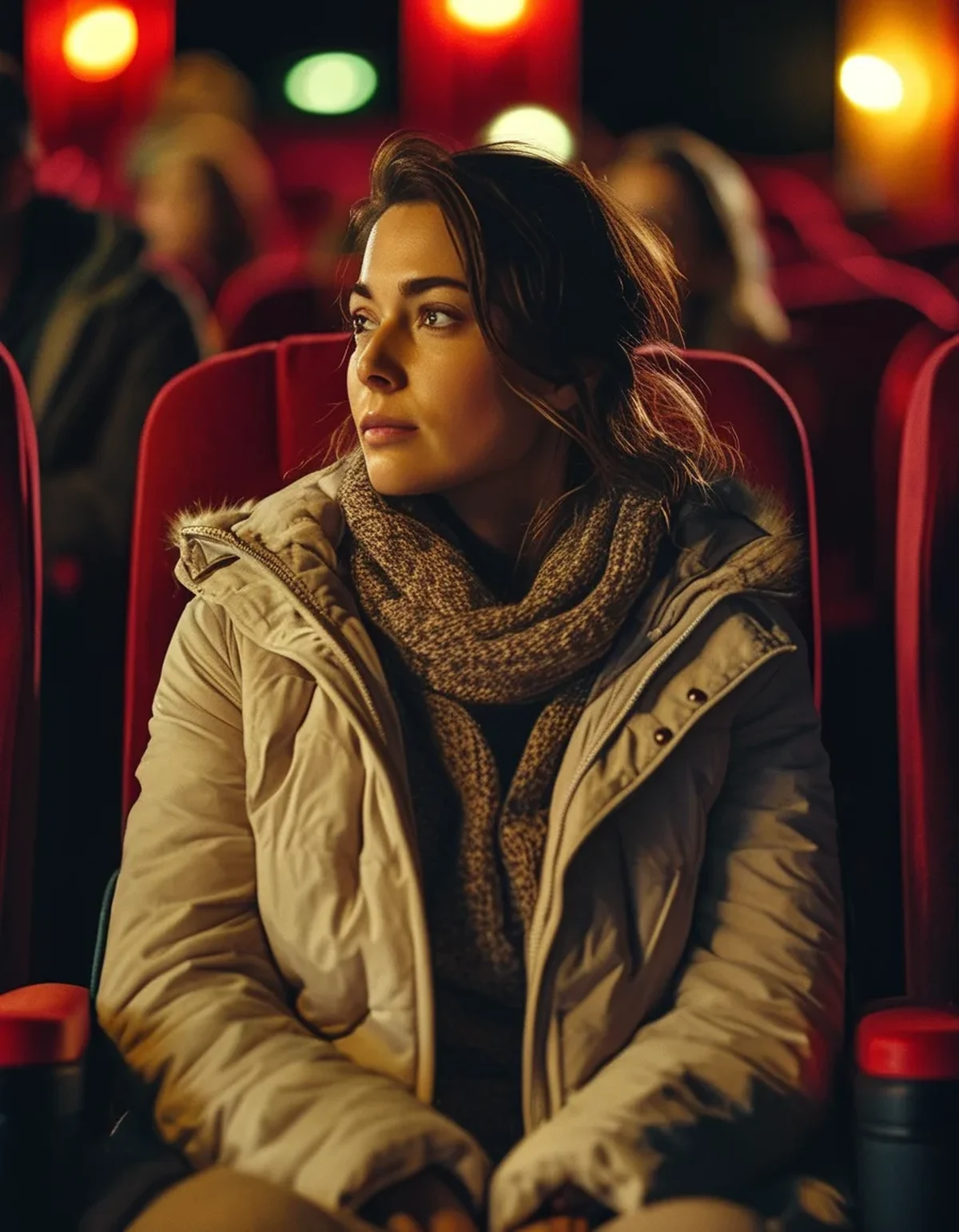
A removable outer layer — a cardigan, light jacket, or blanket scarf — brought along rather than committed to handles the temperature shift better than dressing for either extreme alone, since it can come off if the room warms up meaningfully once full. Layering in thinner pieces rather than one thick layer also allows for more granular adjustment through the screening.
What Nobody Tells You About Movie Theater Temperature
Seating location within the theater genuinely affects perceived temperature independent of the room’s overall setting — seats directly under an HVAC vent, common in many theater layouts, experience noticeably colder, more direct airflow than seats positioned away from vents, which is part of why two people in the same screening can have very different cold-theater experiences depending on exactly where they’re sitting.
FAQ: Cold Movie Theaters, Answered
Is it worth asking theater staff to adjust the temperature for a specific screening?
It’s reasonable to ask, though most theaters run temperature settings centrally across multiple screens and may have limited ability to adjust for a single showing — bringing a layer is the more reliable individual-level fix.
Does theater temperature vary meaningfully by season or by specific chain?
Somewhat — some theaters run noticeably colder than others based on their specific HVAC calibration, and many people report certain theater chains or specific locations as consistently colder than others.
Is a blanket scarf actually a practical solution, or mostly a styling trend?
It’s genuinely practical for this specific use case — a blanket scarf provides substantial warmth while remaining easy to remove, fold, and carry compared to a full jacket, which makes it well-suited to a temperature that’s expected to shift through the evening.
TL;DR:
- Theaters set a low baseline temperature specifically to offset the body heat a full, seated audience generates
- The room often does warm up as it fills, especially noticeable in the first 15-20 minutes of a screening
- Equipment heat management and keeping audiences alert are secondary reasons theaters run cool
- A removable layer, rather than dressing for one temperature extreme, handles the shift best through a screening
The cold movie theater chill isn’t an inconsistency to work around blindly — it’s a deliberate, predictable baseline, and a removable layer is the styling answer built specifically for how that baseline is designed to change.
Keep Reading
This article is for general informational and styling purposes only. Fit, sizing, and product availability may vary.