What to Wear to a Matinee When the Rest of the Day Goes On After It
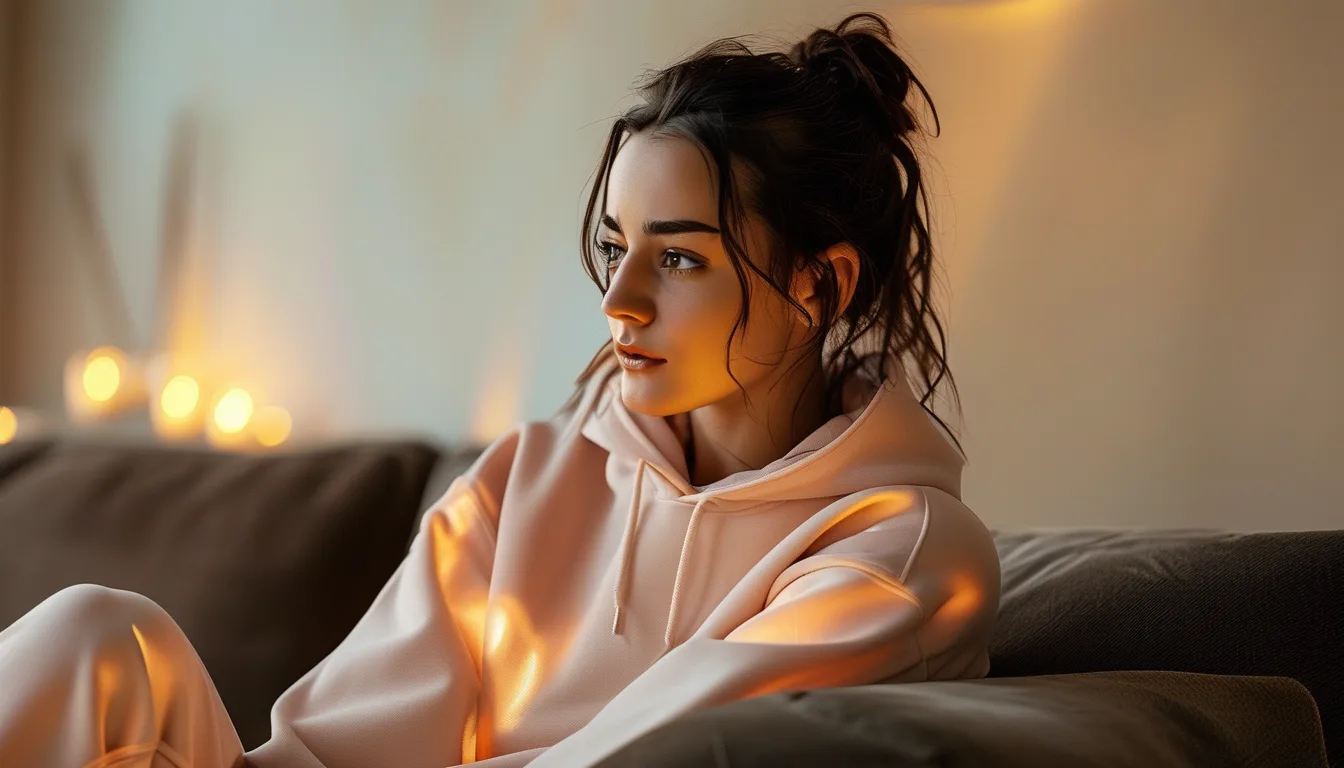
Quick Answer: The matinee problem is that you need theatre-cold comfort for two hours and daylight presentability for the six around it, and those two requirements pull in opposite directions. The answer is a structured base plus a removable warm layer, rather than a cosy outfit you hope passes. Specifically: a fabric that does not crease in a seat, a mid layer that packs into a bag, and shoes chosen for the walk rather than the sitting.
Evening cinema is easy. You go home afterwards and nobody sees the seat creases.
A 2pm showing is different. You arrive from somewhere, you sit still in a cold room for two hours, and then you walk back out into a warm afternoon with dinner still ahead.
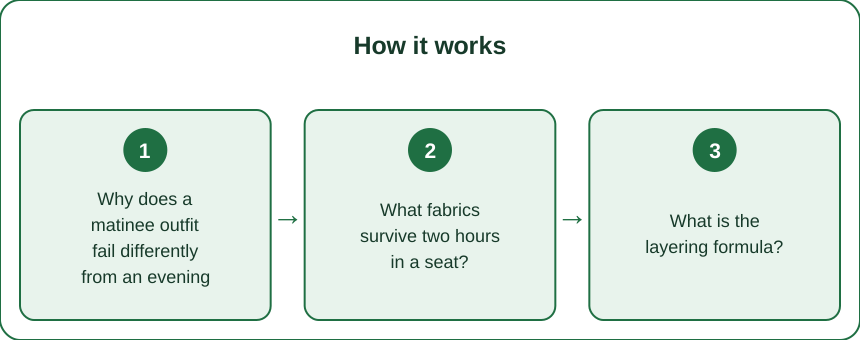
Why does a matinee outfit fail differently from an evening one?
Three specific reasons, all to do with what comes after.
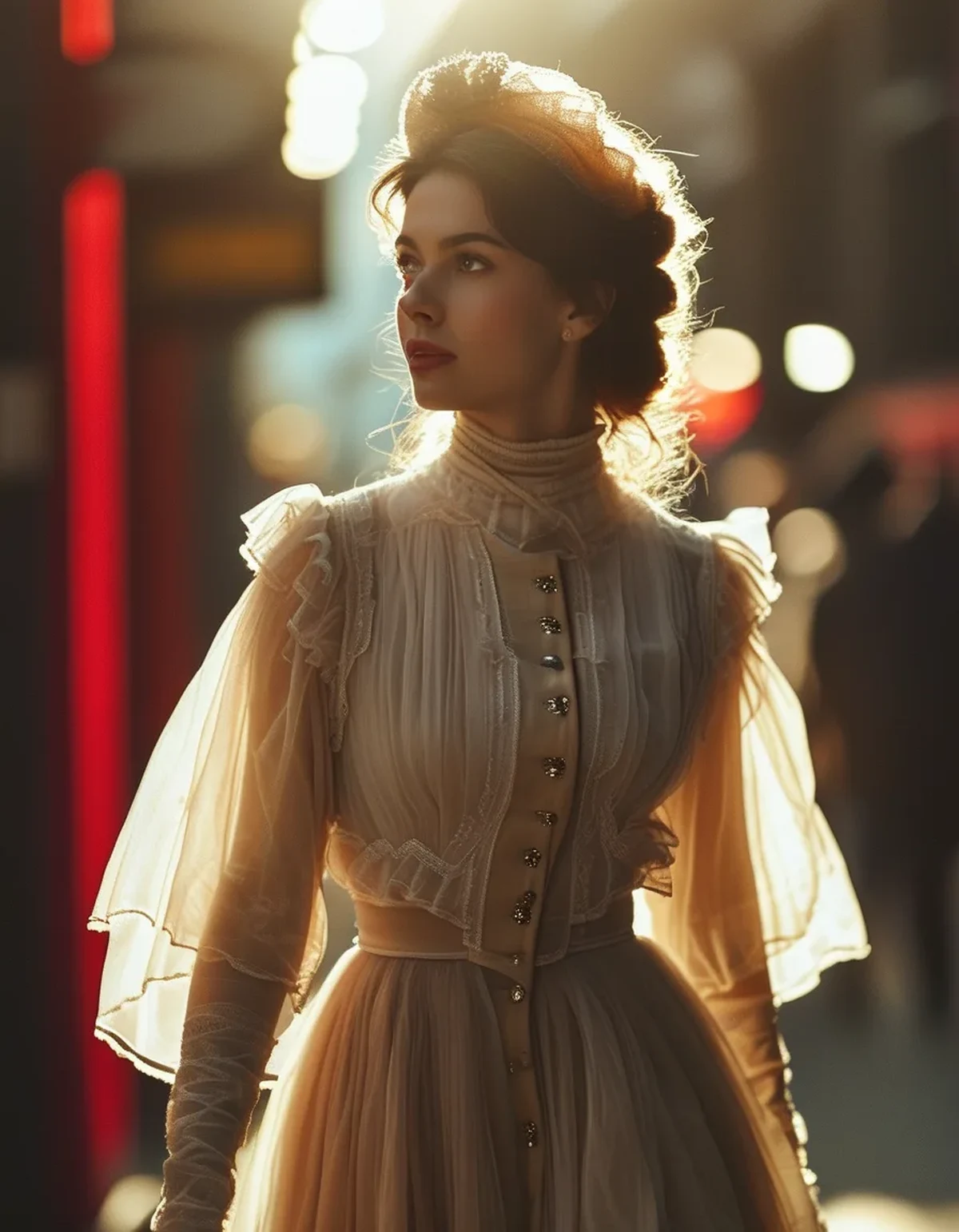
Creasing becomes visible. In an evening screening you go home. In an afternoon one you walk into the rest of your day wearing whatever the seat did to your clothes. Linen, most cottons and any unstructured woven will hold a two-hour seated crease clearly.
The temperature swing is larger. Cinemas hold around 18 to 20C year round, and a late-summer afternoon outside can be 28C or more. That is a ten degree swing twice in one outing, which no single layer handles well.
Your outfit has to work standing up. A cosy oversized combination that is perfect while seated in the dark can look shapeless in bright afternoon light on a pavement. Evening outfits never face that test.
Is this the same problem as dressing for a cold office?
Similar, but compressed. An office swing happens once at each end of the day. A matinee gives you two rapid transitions with two hours of stillness in between, and stillness is what makes cold penetrate.
What fabrics survive two hours in a seat?
The test is crease recovery, meaning how well a fabric releases wrinkles once you stand up.
Good: knits of almost any kind, ponte, jersey, ribbed fabrics, wool and wool blends, polyester and nylon blends, denim, and anything with elastane. These either resist creasing or drop the creases within a few minutes of walking.
Poor: linen, and linen blends above about 30 percent. Loosely woven cotton. Rayon and viscose without a blend. Silk. These crease immediately and hold it.
The seat back matters as much as the seat. Recliner seating, now common, means your entire back and the backs of your thighs are compressed for two hours. Anything that creases will crease across the shoulder blades, which is the one place you cannot check.
A useful rule: scrunch a handful of the fabric in your fist for ten seconds and release. If a visible crease stays, the seat will do the same thing over a larger area.
And a small practical note: darker colours and textured surfaces hide creasing far better than pale flat ones, which is worth knowing when the fabric choice is not entirely yours.
What is the layering formula?
Three pieces, each with a defined job, and only one of them is negotiable.
- A base that stands alone. This is the piece you will be wearing at 6pm, so it should be the presentable one: a knit top, a fitted tee in a good fabric, a light knit dress. Not the cosy piece.
- A removable warm layer that packs small. A fine merino cardigan, a light down or synthetic vest, a large scarf. Packability matters more than warmth, because you are carrying it for most of the day and only wearing it for two hours.
- Bottoms with structure. Ponte trousers, dark denim, a knit skirt with tights, or leggings under a longer piece. Something that does not crease and does not need adjusting when you stand.
Two accessories do disproportionate work. A large scarf or wrap doubles as a blanket over the legs, which is where cold is actually felt in a cinema, and takes up almost no bag space. And proper socks, since feet cool first in a still, air-conditioned room and cold feet are what make an entire body feel cold.
What about a jacket?
A jacket is often the wrong choice for a matinee, because you either wear it in the heat or carry it all afternoon. A packable mid layer beats a structured jacket here, which is the reverse of the evening advice.
What Nobody Tells You About Afternoon Screenings
The cold builds rather than hits. You will feel fine for the first thirty minutes. Cinemas feel comfortable on entry because you are warm from outside, and the discomfort arrives around minute forty when you have been still long enough for your metabolism to settle. Put the layer on before you feel cold, not after.
Seat choice changes your temperature more than your outfit does. Aisle seats and seats directly under a vent are noticeably colder. Centre seats surrounded by people are warmer by a genuine margin, because bodies are heat sources.
Your legs are the problem, not your torso. Most people layer the upper body and leave their legs in a single layer, then wonder why they are cold. A wrap across the knees solves more than a thicker jumper.
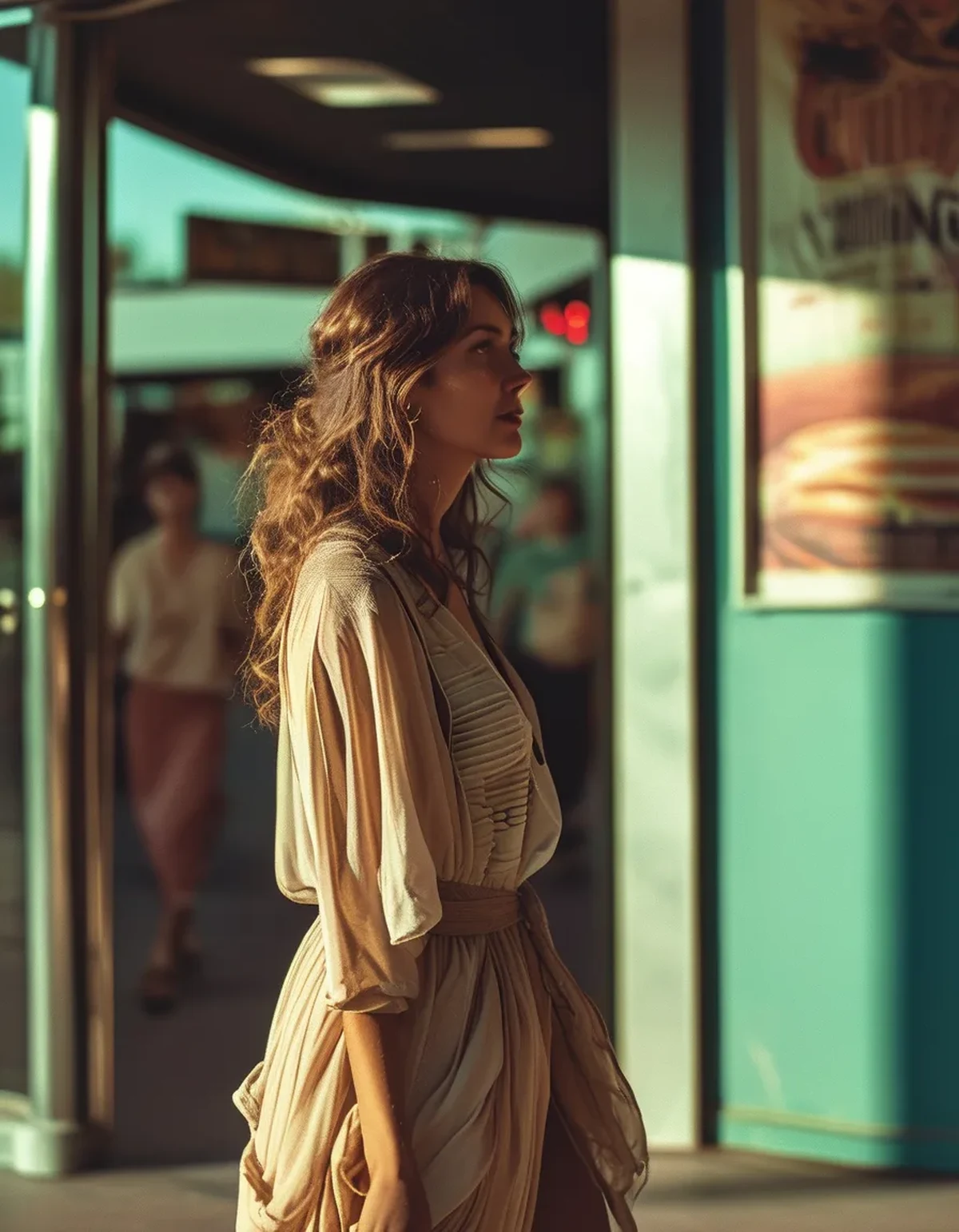
Bright afternoon light is unforgiving in a way evening light is not. An outfit chosen in a dim bedroom for an evening out gets seen at 4pm in full sun, where fabric pilling, colour mismatches and creasing all show. Check it near a window before leaving.
And the one that catches everyone out: the afternoon is warmer when you come out than when you went in. Peak temperature is usually between 3pm and 5pm. Dressing for the temperature at 1:30pm means overdressing for the walk home, which is a reason to keep the warm layer strictly removable.
What does this look like as an actual outfit?
Three versions for the current late-summer-into-autumn stretch, when afternoons are still warm and cinemas are still freezing.
The easy one. Dark straight-leg ponte trousers, a fitted ribbed knit top, low white trainers, a fine merino cardigan and a large cotton scarf in the bag. Reads pulled together on the street, handles the cold with the cardigan on and the scarf over the knees, and nothing creases.
The dress version. A jersey or ponte midi dress, ankle boots or loafers with proper socks, and a packable vest or an oversized cardigan. The dress does the presentable work, the socks and the vest do the cold work. Avoid linen and avoid anything unlined and pale.
The comfortable version that still works outside. Dark high-rise leggings, a longline knit top or tunic that reaches mid-thigh, clean trainers, and a light quilted overshirt. This is close to a lounge outfit, and the length of the top plus the structure of the overshirt is what keeps it from reading as one.
What to skip across all three: linen anything, a white or very pale bottom, backless shoes if there is walking afterwards, and a bulky jacket you will resent carrying at 4pm.
One last thing worth planning: if dinner follows, choose the waistband for the meal, not the film. A structured but forgiving waistband is comfortable for two hours of sitting and for two courses afterwards, and a rigid one fails at both.
FAQ: Matinee Outfit Questions, Answered
How cold do cinemas actually get?
Most run between 18 and 20C, and the perception of cold is amplified because you are completely still. Effective temperature while seated for two hours feels several degrees lower than the same air would while walking.
Is a blanket scarf overkill?
No. It is the highest-value single item for this specific outing, since it covers the legs, packs flat and doubles as an accessory outside.
What about outdoor or drive-in screenings?
Opposite problem in September. Evening temperatures drop fast after sunset, so the layer needs to be genuinely warm rather than just packable, and the ground is usually damp.
Should I wear the cosy outfit and change afterwards?
Only if you already had a reason to be carrying a change of clothes. Otherwise the layering approach does the same job with less to carry.
TL;DR:
- A matinee needs theatre comfort for two hours and daylight presentability for six, which a single cosy outfit cannot do.
- Choose fabrics with good crease recovery: knits, ponte, wool, denim, anything with elastane. Avoid linen, viscose and loose cotton.
- Formula: presentable base, packable warm layer, structured bottoms, plus a large scarf and proper socks.
- Layer up before you feel cold, around minute thirty, and cover your legs rather than adding a thicker top.
- Expect it to be warmer coming out than going in, so the warm layer must come off completely.
The scarf does more than anything else on this list. It is a blanket in the dark and an accessory in the sun, and it costs you nothing to carry.
See It in Motion
Seen here: High Waist Yoga Leggings with Side Pockets — shop it on bubblelime.com
Keep Reading
This article is for general informational and styling purposes only. Fit, sizing, and product availability may vary.