Why Movie Theaters Are Almost Always Colder Than Every Other Indoor Space You Visit

Quick Answer: Movie theaters are commonly kept cooler than other indoor spaces because a packed auditorium of bodies generates significant collective body heat over a two-plus-hour screening, and theaters set the baseline temperature low enough that the room stays comfortable once it’s full — meaning an early arrival before the crowd fills in often feels distinctly colder than it will an hour later, which is part of why the cold can feel worse at first than it does by the film’s end.
You’ve sat down early for a movie and immediately regretted not bringing a layer, only to feel more comfortable an hour later as the theater filled up. That temperature shift is deliberate building management, not your imagination.
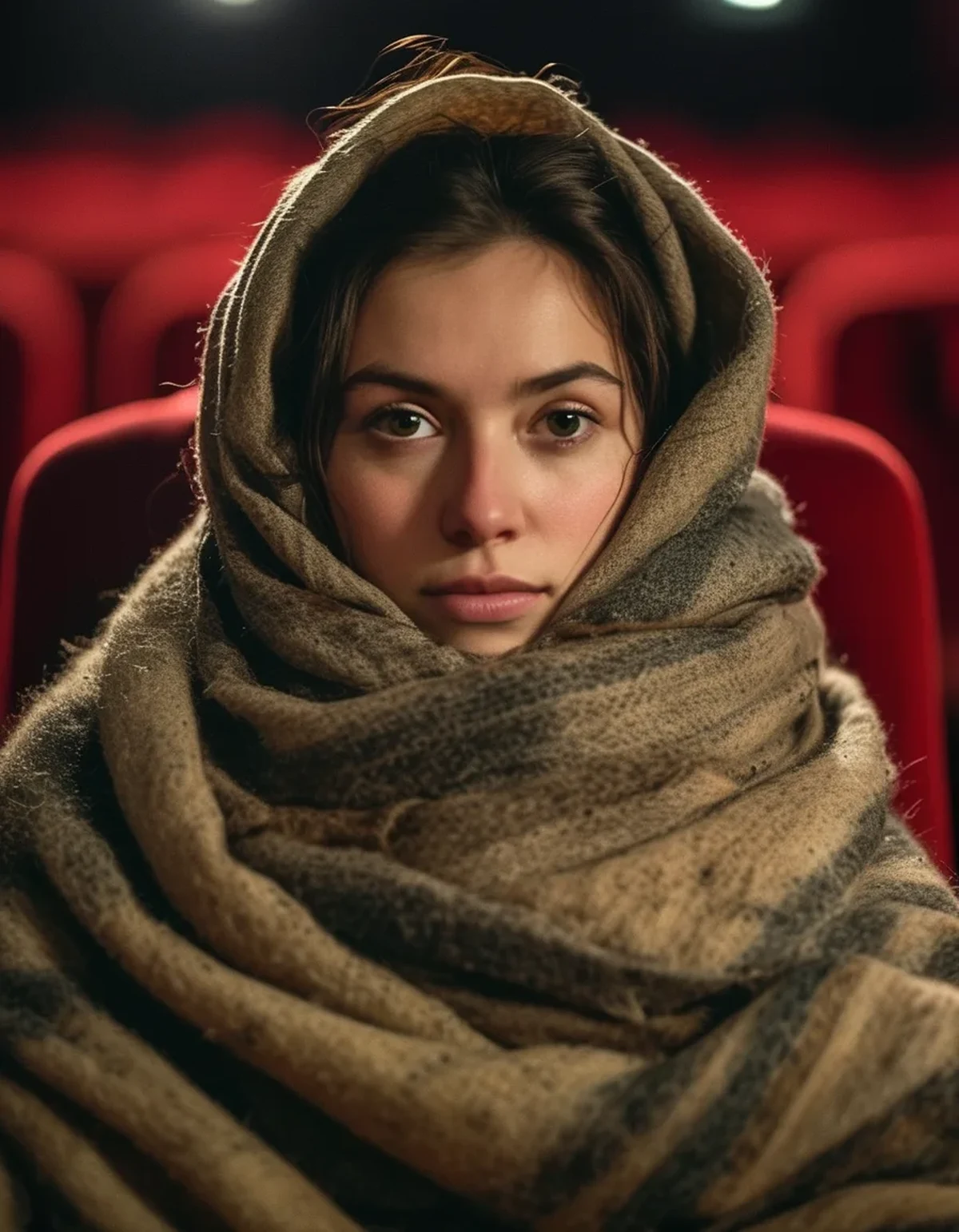
### Why do theaters specifically plan around this body-heat effect?
A full theater with a few hundred people generates a genuinely significant amount of collective body heat over a two-to-three-hour screening, and HVAC systems are calibrated to account for that added heat load reaching a comfortable equilibrium rather than overheating a packed room. Setting the baseline temperature low enough to offset that eventual heat buildup means the room can feel notably cold in the earlier, more sparsely filled minutes before the crowd effect kicks in.
This is standard practice across most large auditorium-style venues, not unique to movie theaters, but it’s especially noticeable in theaters because of the extended sit-still viewing time involved.
### Does theater size or how full a specific screening is change how cold it feels?
Yes, considerably — a nearly empty matinee screening in a large auditorium will feel noticeably colder throughout, since there’s minimal collective body heat to offset the baseline cool setting, while a packed opening-night screening in the same auditorium will likely feel much more comfortable by the same logic in reverse. This is a genuinely predictable pattern worth planning around when choosing what to wear to a specific showtime.
Smaller boutique theaters with fewer seats sometimes run less aggressively cold, simply because the body-heat offset calculation involves a smaller room and audience to begin with.
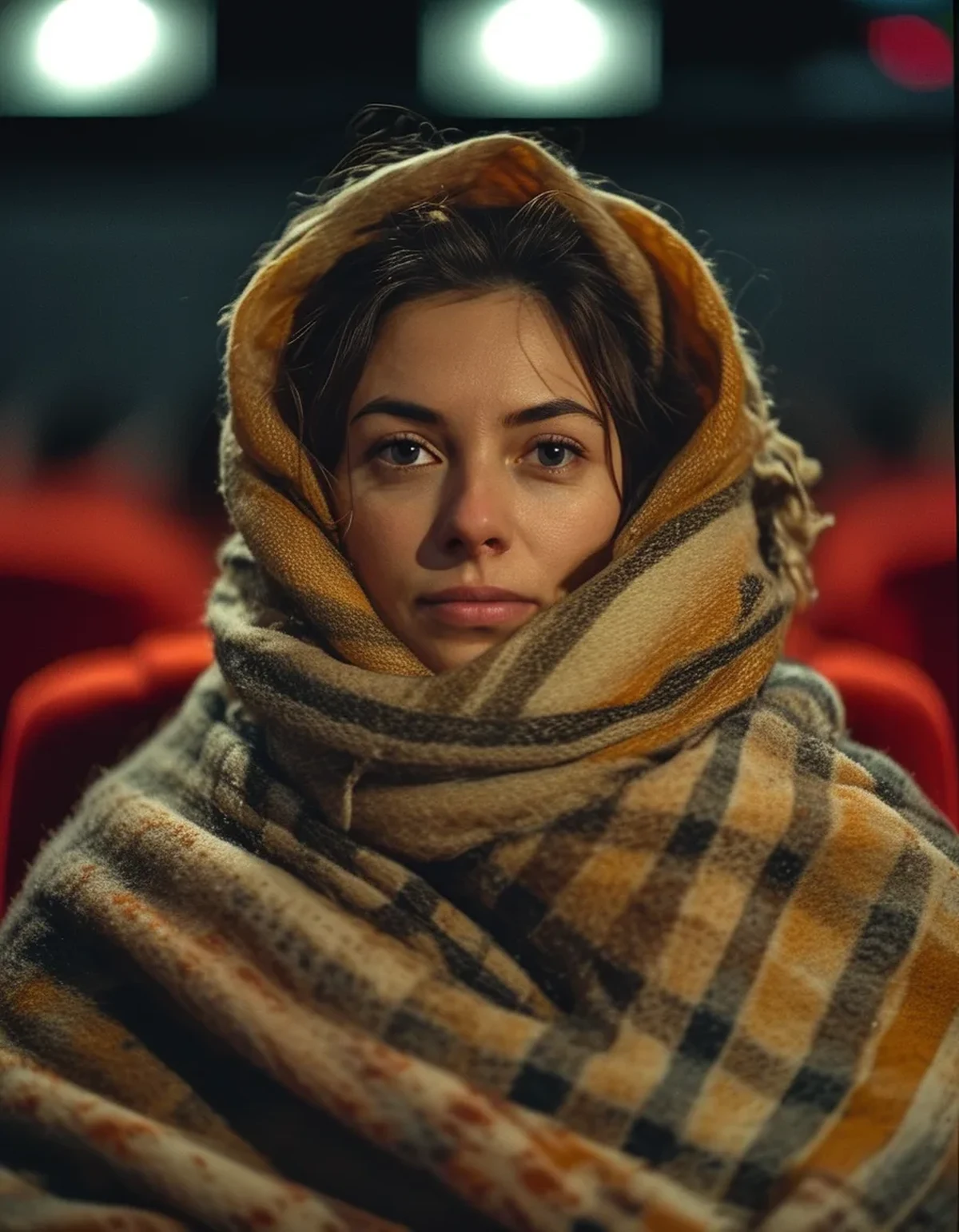
### What’s the most practical way to dress for this, without overpacking?
Layering with something easily removable — a blanket scarf, a light cardigan, or a packable layer — handles the temperature range better than committing to one single outfit choice, since the room genuinely does warm up somewhat as it fills. A layer that can be added or removed partway through the film adapts to the temperature shift rather than locking in a single guess made before knowing how full the screening will actually be.
This is more practical than simply overdressing for the coldest expected point, since that risks overheating later once the room fills in and warms up somewhat.
### What Nobody Tells You About Movie Theater Temperature
Nobody tells you that the coldest part of most screenings is specifically the pre-show period and trailers, before the crowd has fully settled in and before enough time has passed for collective body heat to build — meaning the discomfort often peaks early and then gradually improves, rather than staying constant throughout. Knowing this specifically helps with the decision of whether to keep a layer on through the trailers rather than removing it right away.
They also don’t tell you that seating location matters somewhat too — seats directly under an air vent, common in many theater layouts, stay noticeably colder throughout the film regardless of how full the room gets, since they’re getting more direct airflow than seats further from a vent.
### FAQ: Movie Theater Temperature, Answered
Is there a way to know a specific theater’s temperature tendency in advance?
Checking recent reviews sometimes mentions temperature specifically, and theater staff can usually give a general sense if asked directly before a showing.
Does theater temperature policy vary much between different theater chains?
Yes — practices vary by chain and even by specific location, so a consistently cold experience at one theater doesn’t necessarily predict the same at a different one.
Is bringing a full blanket into a theater actually practical, or is a scarf enough?
A blanket scarf or a large wearable wrap tends to be more practical than a full blanket for most people, since it’s easier to manage in a seat and while eating snacks or handling a drink.
TL;DR:
- Theaters set a cool baseline temperature to offset the collective body heat a full auditorium generates over time
- A sparsely filled screening feels colder throughout than a packed one, in the same auditorium
- The coldest point is usually the pre-show and trailers, before the crowd has settled in and warmed the room
- A removable layer like a blanket scarf handles the temperature shift better than one fixed outfit choice
The cold isn’t random or inconsistent — it’s a deliberate, predictable building-management pattern, which makes it entirely plannable with the right easily removable layer.
Keep Reading
This article is for general informational and styling purposes only. Fit, sizing, and product availability may vary.