What to Wear When the Venue Temperature Is Unpredictable

Quick Answer: Venues are cooled for a full house generating body heat, so a half-empty screening runs genuinely cold. Dress for the coldest plausible condition and add a removable layer for the walk, rather than the reverse. The three things that matter most: a packable mid-layer, covered ankles, and a fabric that does not feel unpleasant after two hours of stillness. Sitting still drops your perceived temperature considerably - the same outfit that felt fine walking in feels cold twenty minutes later.
Most of this is about stillness rather than about the thermostat.
Why do venues feel so much colder than they should?
Because the cooling is calibrated for conditions that often are not present.
Air conditioning is set for a full room. A packed audience produces substantial body heat and the system is sized for it. A quarter-full weekday screening gets the same cooling with a fraction of the heat, so it runs cold.
Sitting still drops your heat production sharply. Walking generates several times the metabolic heat of sitting. Twenty minutes after sitting down you are producing far less heat than when you arrived, which is exactly when people notice the cold.
Air movement matters more than temperature. Sitting under a vent in a 22°C room can feel colder than 19°C still air. Where you sit is a variable you control and most people never think about it.
Extremities go first. Feet, ankles, hands, and the back of the neck. These have high surface area relative to volume, and ankles in particular are exposed by most seating positions.
And the walk there misleads you. You arrive warm from moving, assess the temperature while still warm, and only find out you underdressed once you have stopped. Assess for stillness, not for arrival.
What actually works?
Three things, and one of them is where you sit.
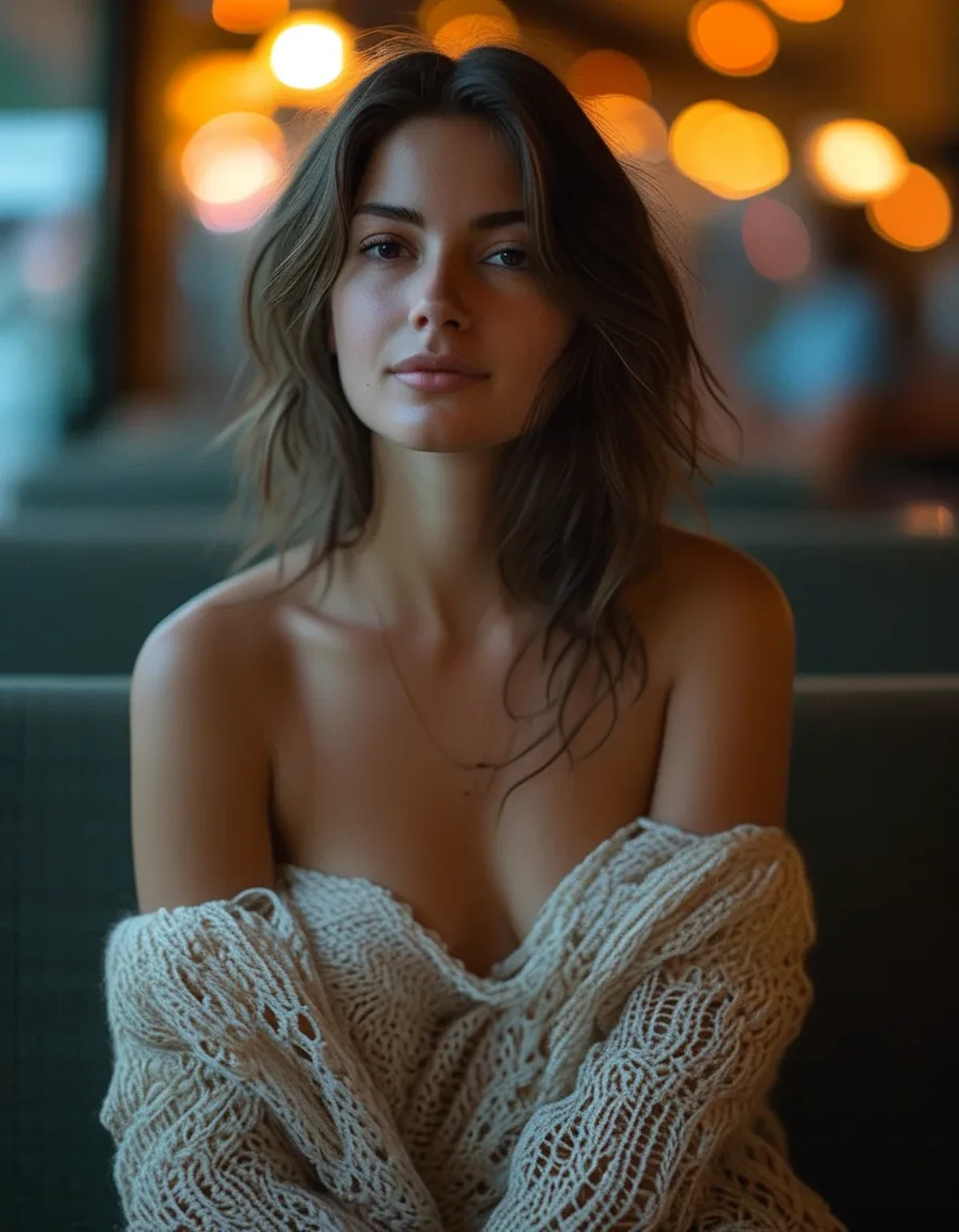
A packable mid-layer is the core piece. A fine-gauge cardigan, a light wool wrap, or a large scarf - something that compresses into a bag and can go over your shoulders while seated. This is more useful than a heavier coat, because a coat is awkward in a seat and usually ends up behind you doing nothing.
Cover the ankles. Full-length trousers, or ankle boots with socks. This is the highest-value single change because seated posture exposes the ankle, it is a high heat-loss area, and cold feet make the whole body feel cold.
Choose fabrics that behave when still. After two hours of stillness, stiff denim waistbands, anything tight at the ribs, and scratchy wool all become the main thing you are aware of. Soft knits, ponte, jersey, and brushed cotton hold up far better.
Sit away from vents. Look up when choosing a seat. A row away from an air outlet is a bigger temperature difference than an extra layer.
A concrete outfit that works: full-length trousers in a soft fabric, a long-sleeve top, ankle boots with proper socks, and a large scarf or wrap that doubles as a blanket. Add a jacket for the walk and take it off if the venue is warm.
Skip anything that needs adjusting. A garment that slips, rides up, or requires attention is worse in a dark room where you cannot see to fix it.

What Nobody Tells You About Venue Dressing
A large scarf outperforms a jacket by a wide margin. It works as a shoulder wrap, a lap blanket, or a neck warmer, and it stores in a bag. A jacket has exactly one configuration and it is uncomfortable in a seat.
Perceived temperature drops for at least twenty minutes after sitting down. Your assessment on arrival is systematically too warm. Judge by what you will need at the halfway point, not by how you feel walking in.
Fabric matters more for stillness than for warmth. Two hours motionless reveals every pressure point, seam, and rough texture. A soft, slightly loose outfit is more comfortable than a warmer but tighter one, which is not intuitive.
Dark venues are forgiving of appearance and unforgiving of fiddliness. Nobody can see your outfit and everybody notices you adjusting it. Prioritise settled comfort over how it looks in the foyer.
Autumn is the trickiest season for this. Warm outside during the day, cold inside, and cold again after dark. The layer that felt excessive at 6pm is exactly right at 10pm - and this is the season where the walk home is the part people underdress for.
And the seat-choice point is worth repeating because it is the only free variable: look up before you sit. A vent directly above you undoes a layer’s worth of planning.
FAQ: Venue Temperature Questions, Answered
Why are cinemas always so cold?
Cooling is calibrated for a full house generating body heat. A partly filled screening receives the same cooling with much less heat, so it runs genuinely cold - and sitting still reduces your own heat production sharply.
What is the single best thing to bring?
A large scarf or light wrap. It works as a shoulder cover, a lap blanket, or a neck warmer, and it packs into a bag - all things a jacket cannot do while you are seated.
Why do my feet get cold first?
Ankles and feet have high surface area relative to volume and are exposed by seated posture. Full-length trousers and proper socks handle it more effectively than an extra top layer.
How should I dress for the walk there and the venue?
Dress for the venue and add a removable outer layer for the walk. Dressing for the walk means underdressing for the two hours that matter.
Does where I sit really matter?
Yes. Air movement affects perceived temperature more than the thermostat setting does. Look up and avoid sitting directly under a vent - it can be worth an entire layer.
What fabrics work best for sitting still?
Soft knits, ponte, jersey, and brushed cotton. Stiff waistbands, tight ribs, and scratchy wool all become steadily more noticeable over two motionless hours.
TL;DR:
- Venues are cooled for a full house, and sitting still cuts your own heat production sharply - assess for the halfway point, not for arrival.
- Bring a large scarf or packable wrap, not a jacket - it works as a shoulder cover, lap blanket, or neck warmer.
- Cover your ankles - the highest-value single change, since seated posture exposes them and cold feet chill everything.
- Choose fabrics that behave when still: soft knits and jersey over stiff denim and scratchy wool.
- Look up before choosing a seat - avoiding a vent is worth an entire layer.
The framing that helps is realising this is a stillness problem rather than a temperature problem, which is why the usual instinct - dress for the weather outside - reliably gets it wrong.
Keep Reading
This article is for general informational and styling purposes only. Fit, sizing, and product availability may vary.