Dressing for a Theater That Is Always the Wrong Temperature

Quick Answer: Theaters run cold because HVAC is sized for a full auditorium generating body heat, and most screenings are not full. Dress in a fitted base plus one substantial removable layer, bring something for your legs — where you lose the most heat while seated — and choose a layer that works as a lap blanket. Socks matter more than a heavier coat.
Every single time. You walk in comfortable, and twenty minutes later you are hunched into yourself trying to generate warmth from sheer will.
Then somewhere in the second half it turns, and you are too warm with nowhere to put the sweater.
This is not bad luck. Theater climate control is designed around an assumption that is rarely true, and once you know what the assumption is, dressing for it is easy.
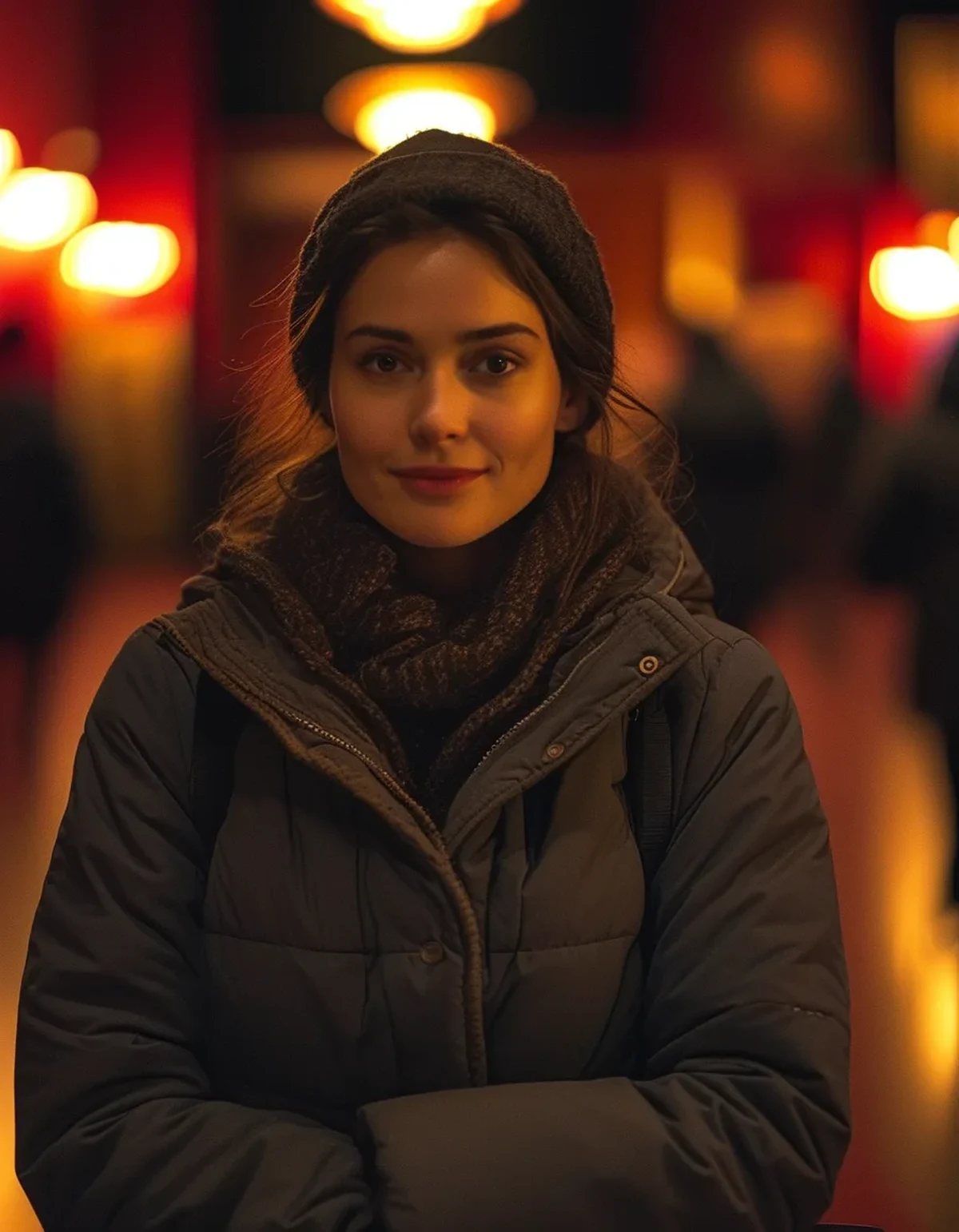
Why are theaters always cold?
Because the cooling is sized for a full house, and most screenings are not full.
A packed auditorium generates a lot of heat — roughly 100 watts per person at rest, which for 200 people is a serious thermal load. The HVAC system is specified to handle that. When 30 people show up on a Tuesday, the same system is running against almost none of the load it was designed for, and the room overshoots cold.
Add three factors:
- Projection equipment generates heat that gets vented, and the systems compensating for it run continuously.
- You are sitting still. Seated, at rest, your own heat production drops substantially compared to walking in.
- Air movement. Ventilation creates gentle air flow across skin, which increases perceived cooling well beyond what the thermostat reads.
The temperature turn later in the film is usually you, not the room. Your body adjusts, you have been under a layer for an hour, and the same conditions now feel warm. That is why the ideal outfit is one you can adjust twice in opposite directions.
Where do you actually lose heat while seated?
Legs and feet, by a wide margin — and this is where most people underdress.
Seated in a theater, your legs are extended, stationary, and often exposed to floor-level air flow. Thin leggings or bare legs under a skirt lose heat continuously, and no amount of upper-body layering compensates, because you cannot warm your legs from your shoulders.
Priority order for cold theaters, which is not the order people intuit:
- Feet. Proper socks. This is the highest-return item on the list and the most neglected. Thin no-show socks in sneakers is why your whole body feels cold.
- Legs. Fleece-lined leggings, heavier weight fabric, or wide-leg pants that trap air. Thick socks plus a substantial legging solves most cold-theater complaints entirely.
- Torso. Where everyone focuses. Important, but rarely the actual failure point.
- Arms. Easy to solve with any long sleeve.
- Neck. A scarf is a large lever for a small item, and it doubles as something to bunch under your chin.
Reversing that order is the single most common mistake. People bring a heavy coat and wear thin socks, and stay cold all evening.
What is the ideal layer to bring?
Something that works three ways: worn, opened, and spread across your lap.
The lap-blanket function is what separates a good theater layer from a merely warm one. A layer draped over your legs while seated does more than the same layer worn, because it addresses the actual heat-loss site.
What works well:
- An oversized cardigan or open-front knit. Wearable, openable, and large enough to cover your legs. Probably the ideal single item.
- A large scarf or wrap. Packs small, spreads wide, and can be worn several ways. The best ratio of warmth to carrying burden.
- A soft flannel or overshirt. Structured enough to look intentional, easy to remove, adequate as a lap covering.
What works poorly:
- A heavy structured coat. Warm, awkward to sit in, and takes up an entire adjacent seat when removed.
- A pullover with no opening. No regulation option — you are either wearing it or holding it.
- Anything that wrinkles badly. It spends half the evening compressed on your lap.
Practical detail: anything you bring will be sat on, bunched, and possibly dropped on a sticky floor. Choose accordingly. This is not the outing for delicate fabrics.
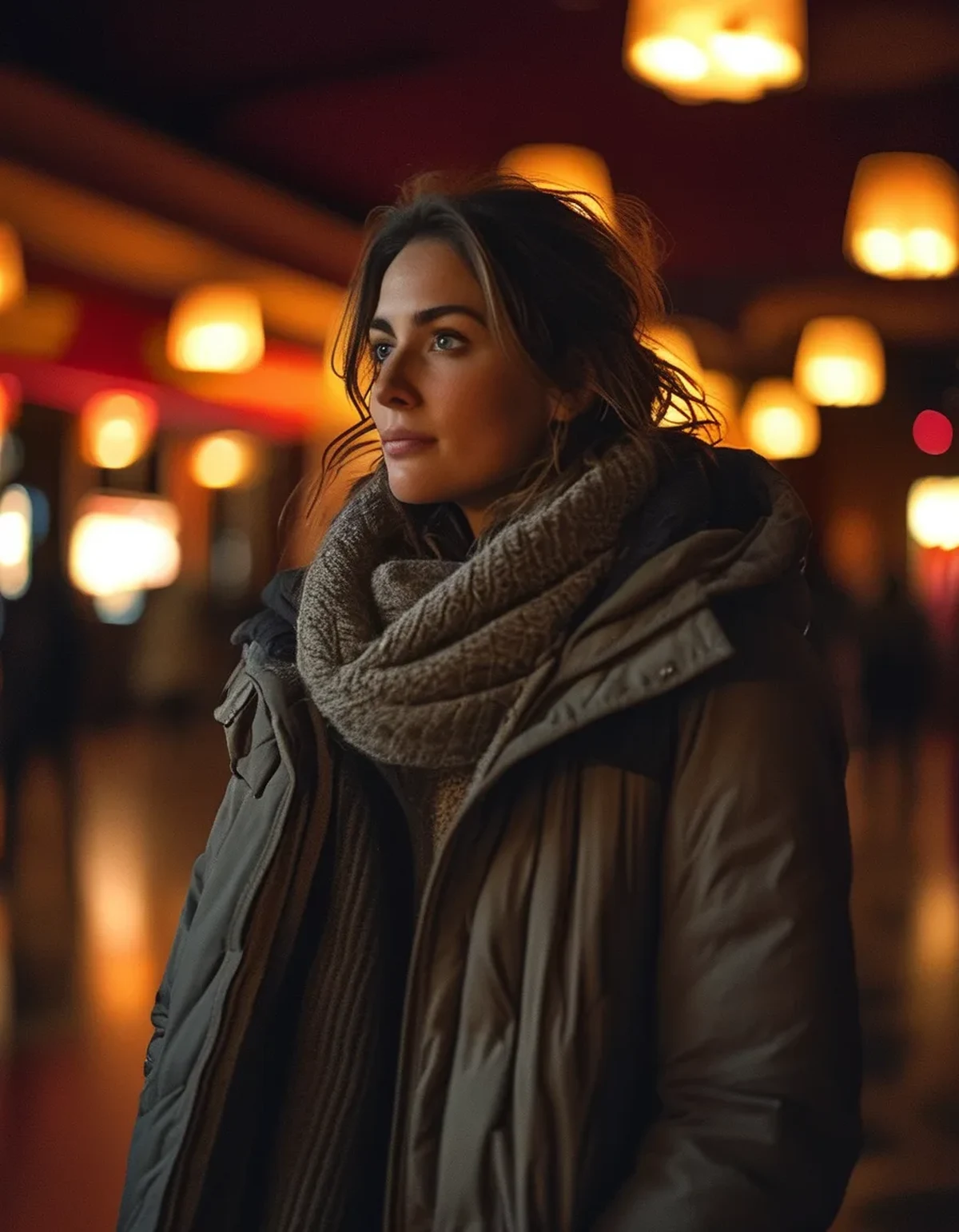
What Nobody Tells You About Theater Comfort
Aisle and back-row seats are colder. Vents are usually placed at the perimeter, and the airflow is strongest near walls and aisles. Center seats a few rows back are consistently the most temperate part of an auditorium.
Cold drinks noticeably lower your comfort. A large iced drink over two hours has a real thermal effect, and it is the reason people feel colder at movies than at similar temperatures elsewhere. Warm drinks or a smaller cold one make a genuine difference.
Reclining seats change the equation. Reclining exposes more of your body surface to the air and puts your legs out horizontally where airflow is strongest. Recliner theaters are usually colder in practice than the same temperature in traditional seating.
Matinees run warmer than evening screenings in most buildings, because the system is still catching up from the day’s ambient warmth. If you always sit through evening films freezing, this is worth knowing.
Your seat neighbors matter. A packed row is measurably warmer than an empty one. If the theater is empty and you are cold, moving to a more populated section actually works.
The temperature you feel walking in is not predictive. The lobby is a different zone entirely, usually warmer and busier. Judging your layering by how the lobby feels is why people leave the sweater in the car.
What does the actual outfit look like?
A workable formula for early fall, when outdoor temperatures are mild and the theater is not:
Base: A fitted long-sleeve top. Not heavy — it needs to be comfortable if the room warms up.
Bottom: Substantial leggings, wide-leg trousers, or jeans. Avoid thin or cropped — the ankle gap is a surprisingly effective cooling mechanism when you are seated for two hours.
Feet: Real socks. Crew length, cushioned, in closed shoes. If you are wearing sandals or thin flats, bring socks in your bag — it looks slightly odd and it works.
Layer: An oversized cardigan or large wrap. Worn on the way in, opened when you settle, across your lap by the second act.
Optional but effective: A scarf. It occupies almost no bag space and covers the neck, which is a disproportionately large heat-loss area.
Bag: Large enough to hold the layer if the room turns warm, so you are not holding it for an hour.
The whole system is one fitted base, one substantial removable layer, warm legs, and real socks. That covers essentially every theater condition you will encounter, without carrying a coat you will end up sitting on.
FAQ: Theater Outfit Questions, Answered
Is it worth bringing an actual blanket?
Plenty of people do, and in recliner theaters it is entirely reasonable. A large wrap or oversized scarf accomplishes nearly the same thing while also being wearable, which makes it the better choice for most outings.
What about dressing for dinner before or after?
Layer for the theater and make the removable piece the dressier element. A structured cardigan or overshirt reads as intentional in a restaurant and does the thermal job in the auditorium, so you are not carrying two wardrobes.
Why am I fine at home in the same temperature?
At home you move, you are not seated still for two hours, and there is no continuous airflow across your skin. Perceived temperature depends heavily on air movement and activity, which is why 68°F in a theater feels colder than 68°F in your living room.
TL;DR:
- Theaters run cold because cooling is sized for a full house that rarely shows up.
- You lose the most heat through legs and feet while seated — socks outrank a heavier coat.
- Bring one layer that works three ways: worn, opened, and spread across your lap.
- Center seats a few rows back are warmest; aisles, back rows, and recliners are coldest.
- A cold drink over two hours has a real thermal cost. Consider a warm one.
The whole thing comes down to dressing for a stationary body in moving air, which is a different problem from dressing for the weather outside. Get the socks right and most of it takes care of itself.
See It in Motion
Seen here: High Waist Drawstring Wide Leg Yoga Pants with Pockets — shop it on bubblelime.com
Keep Reading
This article is for general informational and styling purposes only. Fit, sizing, and product availability may vary.